

Die Design-Studie für ein Europäisches Stratosphärenballon Observatorium (ESBO-DS) ist ein Forschungsprojekt, das den Weg für ein astronomisches Observatorium auf Basis von Stratosphärenballons ebnen soll. Um den für astronomische Anwendungen störenden Atmosphärenschichten zu entgehen, sollen die Teleskope durch ballonbasierte Gondeln in die Stratosphäre gebracht werden. ESBO-DS beschäftigt sich als Pilotprojekt mit Entwicklung und Bau einer Prototyp-Gondel sowie eines Teleskops (STUDIO) und einer Strategie für den langfristigen Aufbau und Betrieb der Sternwarte.
Die Arbeitsgruppen des Kleinsatellitenprogramms entwickeln, bauen, integrieren, qualifizieren und betreiben Kleinsatellitensysteme. Ergänzend hierzu entwickeln sie neue Technologien für Raumfahrtsysteme und erproben diese unter Weltraumbedingungen. Ebenfalls hierzu gehört der Auf- und Ausbau der notwendigen Infrastruktur für Bau, Qualifikation und Betrieb von Satelliten.
Der erste Kleinsatellit der Universität Stuttgart ist der Kleinsatellit Flying Laptop mit einer Masse von 110 kg, der seit Juli 2017 vom Kontrollzentrum an der Universität Stuttgart erfolgreich betrieben wird.
Die Arbeitsgruppe Staubastronomie wird von PD Ralf Srama geleitet und entwickelt, baut und betreibt Instrumente zur Detektion und Untersuchung von interplanetarem und interstellarem Staub. Außerdem entwickeln sie Modelle über die Entstehung und Verteilung von Staub im Weltraum.
Die Arbeitsgruppe Weltraumrobotik entwickelt Roversysteme für die Exploration von planetaren Oberflächen. Hierbei liegt der Fokus auf der Entwicklung von Roverchassissystemen und Technologien die unter den anspruchsvollen Bedingungen auf planetaren Oberflächen eingesetzt werden können.
Kontakt

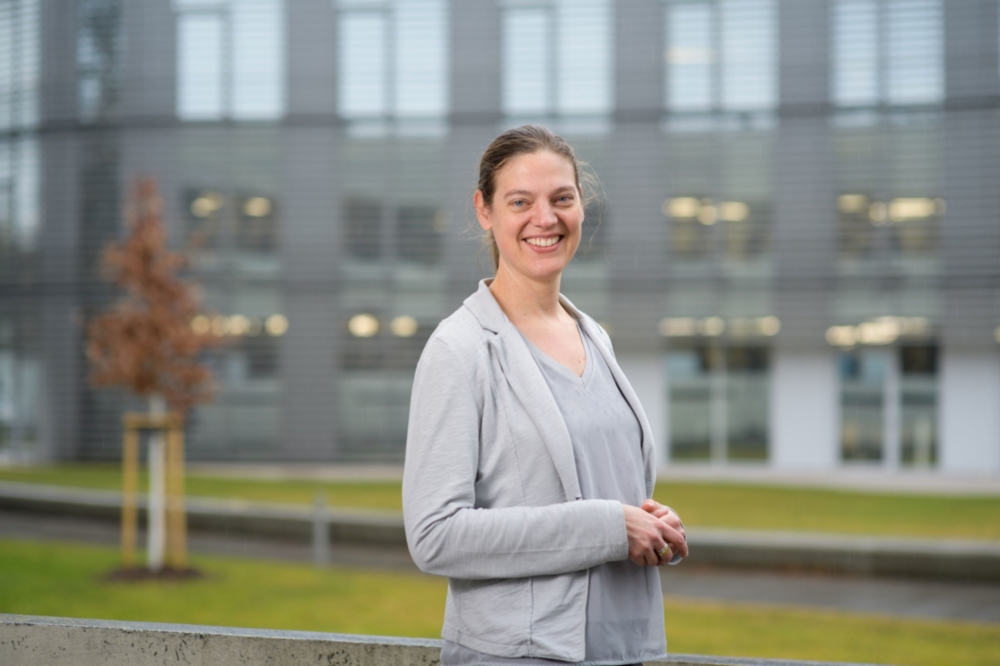
Sabine Klinkner
Prof. Dr.-Ing.Stellvertretende Geschäftsführende Direktorin, Professorin für Satellitentechnik